UM required
New York coverage menu: liability, no-fault and UM required; SUM on top unless you decline it
New York puts three coverages on every policy and adds a fourth, supplementary uninsured/underinsured motorist coverage, by default on newer policies. Here is what each one pays and where the limits stop.
By CoverOath Editorial Team Updated 7 min read
The promise, in short
New York requires 25/50/10 liability (with higher limits for death), $50,000 of no-fault personal injury protection and uninsured motorist coverage at 25/50 for crashes in the state. Supplementary uninsured/underinsured motorist (SUM) coverage is optional; on policies it applies to, it is included at your liability limits unless the first named insured declines it in writing. The Department of Financial Services (DFS) regulates insurers; its consumer hotline is 800-342-3736.
- Minimum liability
- 25/50/10
- PIP
- $50,000 no-fault required
- UM/UIM
- UM required; SUM optional
New York coverage menu
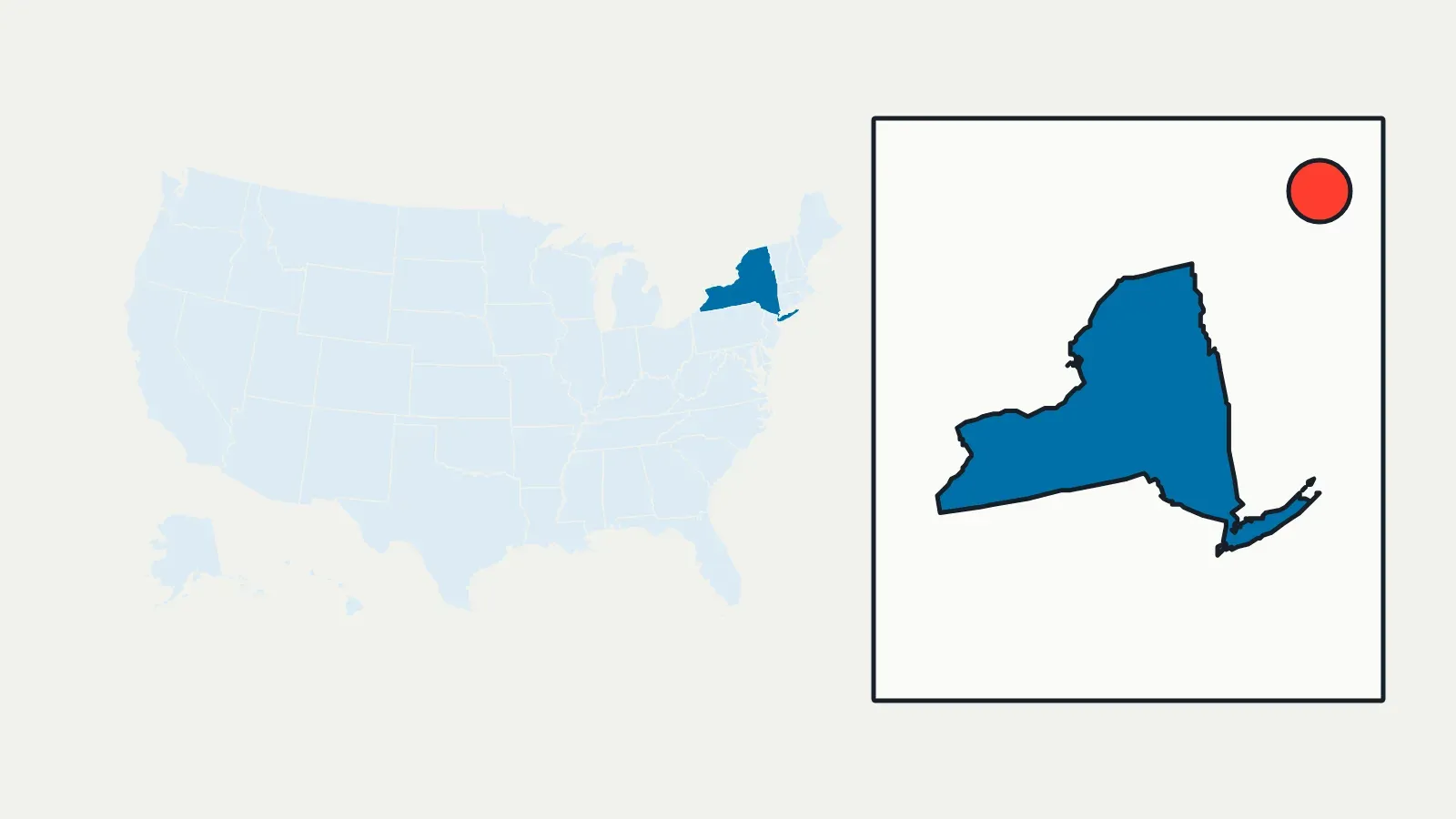
What a New York policy must carry
New York's liability minimums have a twist: the limit is higher when someone dies. DFS sums the rule up as 25/50/10, but the full set reads as follows.
| Coverage | Minimum | What it pays |
|---|---|---|
| Bodily injury, per person | $25,000 | One injured person's claim |
| Death, per person | $50,000 | One person killed |
| Bodily injury, per accident | $50,000 | Two or more people injured |
| Death, per accident | $100,000 | Two or more people killed |
| Property damage | $10,000 | Other people's cars and property |
Bodily injury liability and property damage liability pay other people, not you. A $10,000 property damage limit is easy to pass in a crash with a newer car, and the rest is yours to pay. The liability limits page explains how to pick higher limits.
No-fault PIP and medical payments
Basic no-fault, $50,000
Every policy carries personal injury protection of $50,000 per person for economic loss such as medical bills and lost earnings, whoever caused the crash, plus a $2,000 death benefit on top.
Optional basic economic loss
Insurers must offer OBEL, which adds $25,000. Once the $50,000 is used up, the injured person decides whether it goes to lost wages, rehabilitation or all economic loss.
Medical payments coverage is optional in New York. DFS explains that it generally pays only where no-fault does not apply or after no-fault benefits run out, except for funeral costs.
UM is required; SUM is the layer you choose
Mandatory uninsured motorist coverage matches the minimum bodily injury limits and applies only to accidents in New York. It pays when the at-fault vehicle is uninsured, a hit-and-run, stolen or used without permission, or when the other insurer denies coverage. For an unidentified driver, Insurance Law §3420(f) requires physical contact between that vehicle and you or your car.
- What SUM adds. It covers crashes outside New York and crashes with drivers whose bodily injury limits are lower than yours, which is the underinsured motorist part.
- Default on newer policies. Under §3420(f)(2-a), added by a 2017 law that took effect in mid-2018, new policies include SUM equal to your bodily injury limits unless the first named insured declines it or picks a lower amount on a written or electronic form.
- Older policies. The default does not reach policies first written before that date and renewed since. For existing policies, DFS says the insurer must remind you at least once a year that SUM is available.
- Limits. SUM cannot exceed your bodily injury limits, and it is reduced by what you recover from the other driver's liability insurer.
If your policy is written through New York's Automobile Insurance Plan rather than bought directly from an insurer, DFS says optional SUM is available up to $250,000 per person and $500,000 per accident. In the voluntary market the ceiling is your own bodily injury limit. Choosing SUM equal to your liability limits means you protect yourself as well as you protect the people you might hit.
Spousal liability, a New York add-on
Supplementary spousal liability coverage is New York's own line for a claim your spouse brings against you after a crash you cause. Under the current §3420(g), most personal auto policies include it unless the first named insured declines it in writing. A version of the law taking effect July 31, 2027 changes this: the coverage will be provided only on written request, and the insurer must tell you in writing that it is available. See who is covered on your policy.
Where to check and complain
- Read your declarations page for your liability, no-fault, UM and SUM limits.
- Ask your insurer for any SUM or spousal liability declination on file if a coverage is missing.
- Contact DFS at 800-342-3736 (weekdays, 8:30 a.m. to 4:30 p.m.) if an insurer will not explain a coverage or a claim decision.
Questions drivers ask
Is underinsured motorist coverage required in New York?
No. Uninsured motorist coverage is required; supplementary uninsured/underinsured motorist (SUM) coverage is optional. On newer policies it is included at your liability limits unless the first named insured declines it in writing.
How much no-fault coverage does New York require?
$50,000 per person of basic economic loss, plus a $2,000 death benefit. Insurers must also offer an extra $25,000 of optional basic economic loss.
Does New York's mandatory UM cover crashes in other states?
No. The required uninsured motorist coverage applies to accidents in New York. SUM extends protection to crashes outside the state.
Is 25/50/10 enough coverage in New York?
It meets the law. A crash with serious injuries can exceed it; the liability limits calculator shows what a larger claim would leave uncovered.
Drawn from
- New York Department of Financial Services — Auto insurance (minimum coverage, no-fault, UM, SUM)
- New York Insurance Law §3420 (UM: (f)(1); SUM: (f)(2) and (f)(2-a); spousal liability: (g))
- New York State Senate — Bill S5644-B of 2017 (SUM default, Chapter 490 of 2017)
- New York Department of Financial Services — Contact us
Facts on this page were checked against these sources on November 15, 2026. The change to supplementary spousal liability coverage in Insurance Law §3420(g) takes effect July 31, 2027.
Have this coverage priced
CoverOath doesn't sell insurance. Answer five questions and CoverOath passes your request to licensed insurance agents and insurers, who can quote the coverage; you decide whether to buy anything.
- 1 The coverage you want priced.
- 2 Where an agent can reach you, and your consent.
- 3 A licensed insurance agent or insurer contacts you with a quote. Nothing is bought until you agree.
CoverOath is not paid by you. The licensed insurance agents and insurers who contact you set their own prices and terms. How we make money.
Adjacent layers
-

Core coverage
Personal injury protection (PIP)
Pays medical bills and lost income whoever caused the crash. Mandatory in the 12 no-fault states.
-
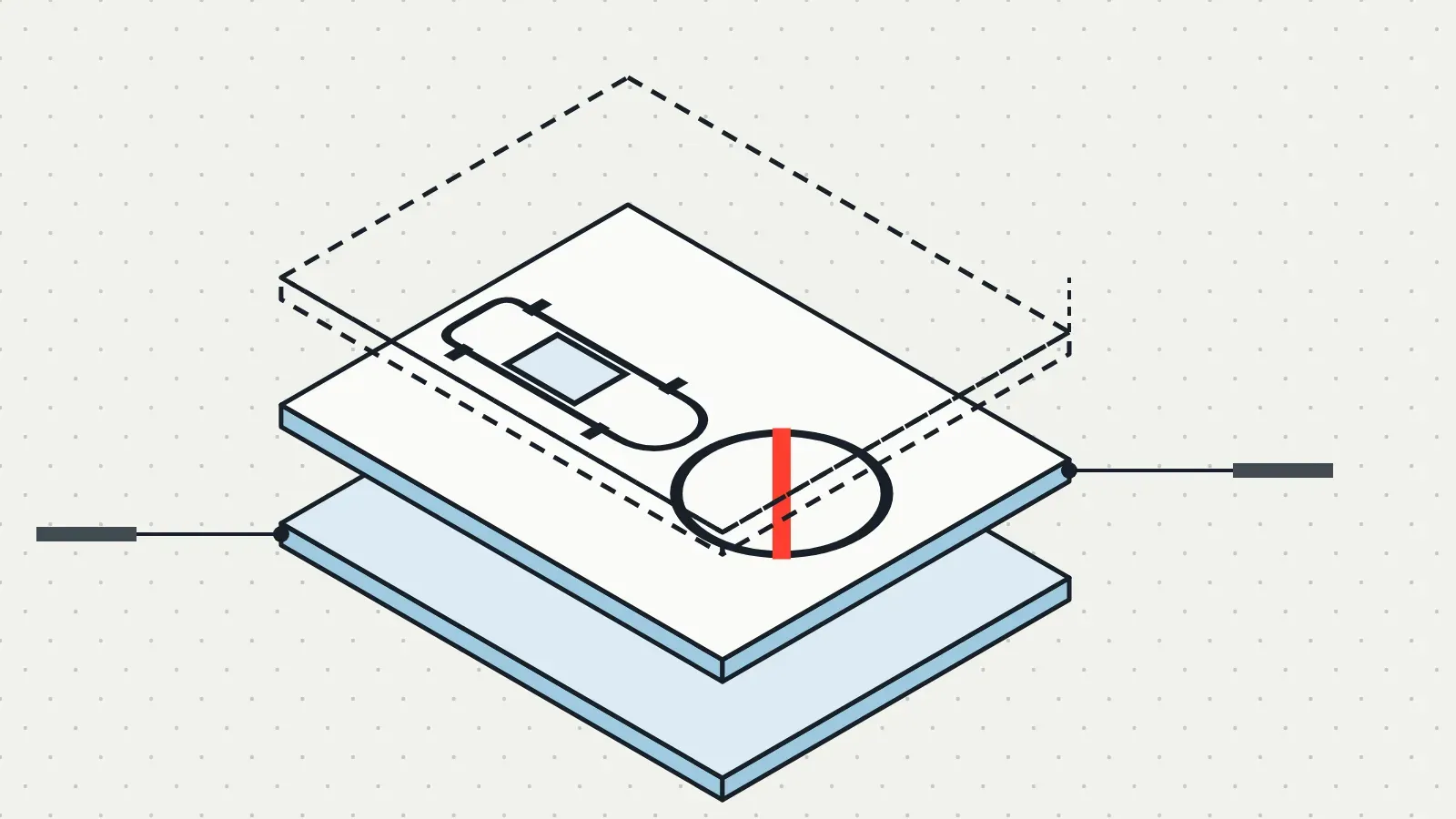
Core coverage
Uninsured motorist coverage (UM)
Pays your injuries when an uninsured or hit-and-run driver is at fault. Required in about 20 jurisdictions.
-
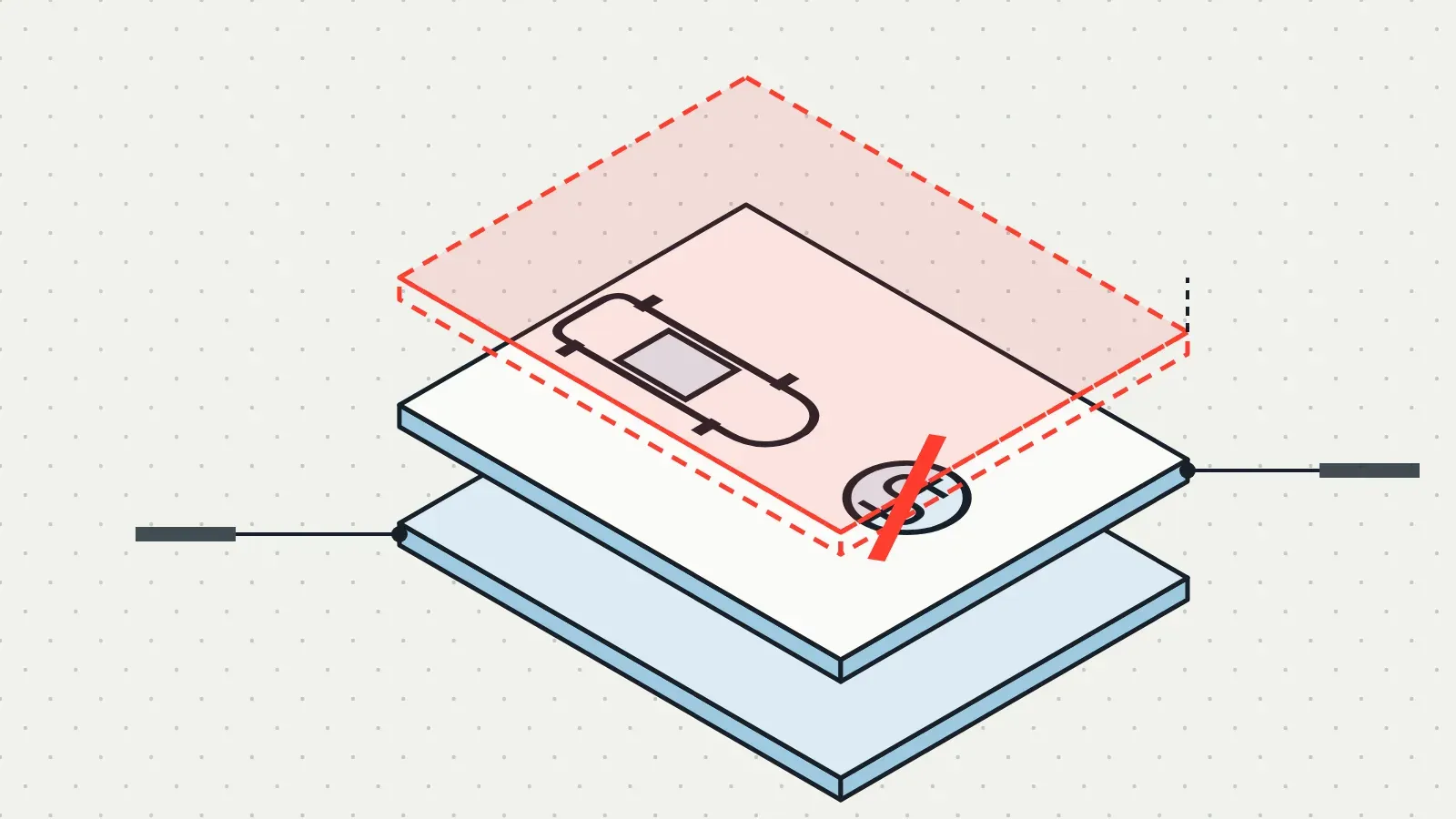
Core coverage
Underinsured motorist coverage (UIM)
Pays your injuries above the at-fault driver's limit. Added-on UIM stacks on their payment; offset UIM subtracts it.