Limits rule
Stacking uninsured motorist coverage: when two limits become one larger one
If you insure three cars, do you have one uninsured motorist limit or three? The answer depends on your state's statute, then on the limit of liability clause in your policy. Here is how stacking works and where it is allowed, banned or left to the contract.
By CoverOath Editorial Team Updated 8 min read
The promise, in short
Stacking means adding the uninsured or underinsured motorist limits of several cars or policies to pay one injured person. Intra-policy stacking adds the limits of cars on one policy; inter-policy stacking adds limits from separate policies. A few states make stacking the default, such as Pennsylvania and Florida, where you can waive it in writing for a lower premium. Many others, such as California, Minnesota and New Jersey, ban it by statute, and some let the policy decide. Your state menu lists the rule, and your policy's limit of liability clause shows how it is applied.
- Two forms
- Intra- and inter-policy
- Default by statute
- Florida, Pennsylvania
- Barred by statute
- California, Minnesota, NJ
- Florida non-stacked UM
- At least 20% cheaper
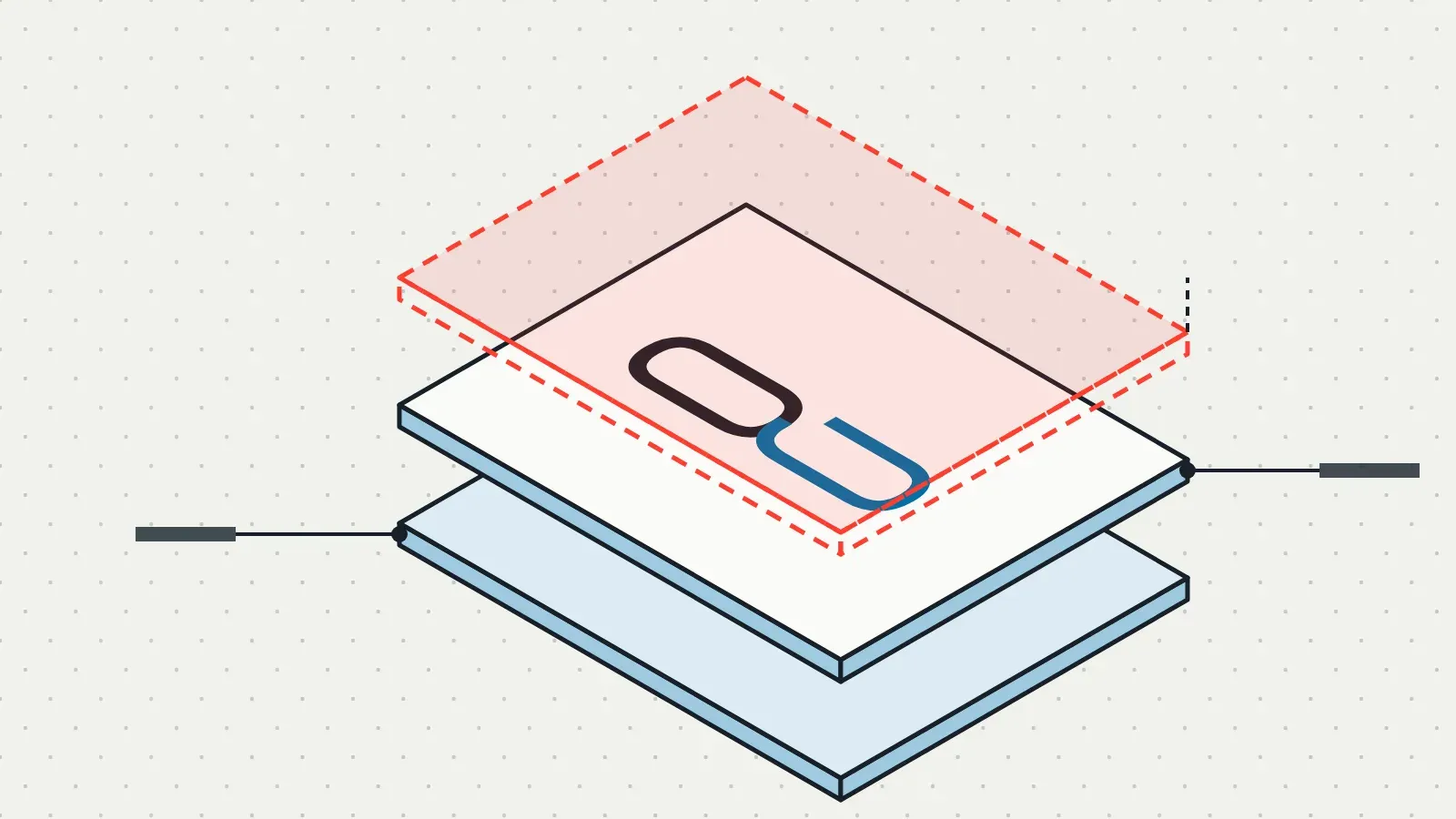
What stacking means
Uninsured motorist (UM) and underinsured motorist (UIM) coverage follow you, not only the car. A household with several cars, or a person insured under more than one policy, can end up with several UM limits that could all apply to the same injury. Stacking is the question of whether they add up.
Intra-policy stacking
One policy, several cars. With $50,000 of UM on each of three cars, stacking would give one injured person up to $150,000 instead of $50,000.
Inter-policy stacking
Several policies, for example your own and one covering a relative you live with, or the car you were riding in. Stacking would add the limit from each policy.
Stacking matters only when the injury is larger than one limit. It does not change what you pay other people; that is your liability coverage.
How the numbers differ
| Situation | Stacked | Not stacked |
|---|---|---|
| Florida: three cars at 50/100 UM | $150,000 a person, $300,000 a crash | $50,000 a person, $100,000 a crash |
| Pennsylvania: two cars at 15/30 UM | $30,000 for one person | $15,000 for one person |
| California: two cars at $30,000 UM | Not allowed | $30,000 for one person |
The Pennsylvania Insurance Department's guide puts the stacked version simply: your limit is multiplied by the number of vehicles on the policy. The trade is price. Stacked coverage costs more, and Florida requires insurers to file rates that cut the UM premium by at least 20% for a buyer who accepts non-stacked coverage.
Where state law allows stacking
- Pennsylvania (75 Pa.C.S. §1738): UM/UIM limits apply separately to each insured vehicle unless a named insured waives stacking; the waiver must be signed and dated by the first named insured.
- Florida (§627.727): UM stacks across your insured cars unless you accept non-stacked limits on an approved form, and that choice carries over to renewals.
- Rhode Island (§27-7-2.1): if you paid separate UM premiums with the same company, you may collect up to the total for all insured vehicles, whatever the policy says.
- North Carolina (G.S. 20-279.21): no stacking within one policy, but across nonfleet private passenger policies the highest limit from each policy is added.
- Alabama (§32-7-23): within one policy, the primary coverage plus up to two additional vehicles' coverage.
- Hawaii (HRS §431:10C-301): stacking is barred unless you buy the stacking option insurers must offer with each policy.
Pennsylvania's rule may change: Senate Bill 578, introduced in April 2025, would end UM/UIM stacking. The version our Pennsylvania page reviewed had been referred to committee, not passed.
Where state law bars or limits it
A longer list of statutes says the limits do not add up, whatever the number of cars, policies or premiums. They differ in how they pick the one limit that applies.
- Capped at the highest single limit: Nebraska (§44-6411), Kansas (K.S.A. 40-284(d)), New Jersey (17:28-1.1) and Washington (RCW 48.22.030).
- Limits never combined: California (§11580.2), Minnesota (§65B.49), Connecticut (§38a-336(d)), North Dakota, South Dakota and Utah, which allows narrow exceptions.
- A set policy pays: Massachusetts (c. 175, §113L) uses the policy on the car you were in, or, in a car you do not own, the policy with the highest limits.
- Policy may bar it: Ohio, Indiana, Illinois, Wisconsin and the District of Columbia let insurers write anti-stacking terms; Oklahoma bars stacking on policies issued, renewed or reinstated after November 1, 2014 unless the insurer expressly provides it.
Where the statute is silent
In many states, including New York, Georgia, Virginia, Maine and Tennessee, our state pages found no statute on stacking. Then the policy's limit of liability and other-insurance clauses decide, and courts read them. The results can surprise you in both directions.
- Missouri: court decisions noted under RSMo §379.203 have let a policyholder with separate policies on two cars stack UM, though not every case is settled.
- New Mexico: court decisions noted under its UM statute treat stacking as the default unless the insurer gets a written rejection.
- Texas: the statute does not provide for stacking, and policy forms limit UM to one car's limit.
Priority rules sit next to stacking rules. Even where limits are not added, a statute may say which policy pays first, as Minnesota, Nebraska, Oregon and Virginia do. The order matters when one policy has a higher limit or a lower deductible.
How to check your own policy
- Read the declarations page. Look for stacked or non-stacked next to the UM line; our Pennsylvania and Florida pages point there first.
- Ask for any signed waiver. A stacking waiver or non-stacked election is a signed form; your insurer can send a copy.
- Read the limit of liability clause. Look for words such as regardless of the number of vehicles or premiums.
- Price both versions if your state lets you choose, and weigh the difference against raising each car's UM limit instead. The liability limits calculator helps size the gap.
Questions drivers ask
What is the difference between stacked and unstacked UM?
Stacked UM adds the limits of each insured car or policy for one injured person; unstacked UM gives one limit per accident. Three cars at $50,000 stacked can mean $150,000; unstacked, $50,000.
Is stacking allowed in my state?
It depends on the statute and your policy. Pennsylvania and Florida stack by default, California and Minnesota ban it, and Ohio lets the policy decide. Your state menu page shows the rule we found.
Does stacking apply to underinsured motorist coverage too?
In many of the statutes above, yes: they speak of UM and UIM together. A few treat them differently; D.C.'s 2026 law, for example, limits the anti-stacking permission to standard UIM from October 1, 2027.
Should I waive stacking to save money?
Only after you compare the premium saved with the coverage given up. In Pennsylvania the waiver must be signed by the first named insured; in Florida the non-stacked choice carries over to renewals until you ask to change it.
Drawn from
- 75 Pa.C.S. Chapter 17 (§1738, stacking of UM/UIM benefits)
- Pennsylvania Insurance Department — Auto Insurance Guide
- Florida Statutes § 627.727 (uninsured motorist coverage, stacking)
- Florida Department of Financial Services — Personal automobile insurance overview
- California Insurance Code §11580.2 (Justia, 2025 edition)
- Minnesota Statutes §65B.49, subd. 3a (no stacking)
- M.G.L. c. 175, §113L (uninsured and underinsured motorist coverage; stacking)
- R.I. Gen. Laws §27-7-2.1 (uninsured motorist coverage)
- N.C. Gen. Stat. §20-279.21 (UM/UIM and stacking)
- Hawaii Revised Statutes § 431:10C-301 (UM/UIM stacking option)
- Code of Alabama §32-7-23, uninsured motorist coverage (Justia)
- Ohio Revised Code 3937.18 (anti-stacking terms)
- Missouri Revised Statutes §379.203 (with case annotations)
Facts on this page were checked against these sources on November 15, 2026. Each state rule comes from the statute cited on that state's menu page; where a statute is silent, court decisions and policy wording decide, so read your own limit of liability clause.
Have this coverage priced
CoverOath doesn't sell insurance. Answer five questions and CoverOath passes your request to licensed insurance agents and insurers, who can quote the coverage; you decide whether to buy anything.
- 1 The coverage you want priced.
- 2 Where an agent can reach you, and your consent.
- 3 A licensed insurance agent or insurer contacts you with a quote. Nothing is bought until you agree.
CoverOath is not paid by you. The licensed insurance agents and insurers who contact you set their own prices and terms. How we make money.
Adjacent layers
-
Core coverage
Uninsured motorist coverage (UM)
Pays your injuries when an uninsured or hit-and-run driver is at fault. Required in about 20 jurisdictions.
-
Core coverage
Underinsured motorist coverage (UIM)
Pays your injuries above the at-fault driver's limit. Added-on UIM stacks on their payment; offset UIM subtracts it.
-
State menu
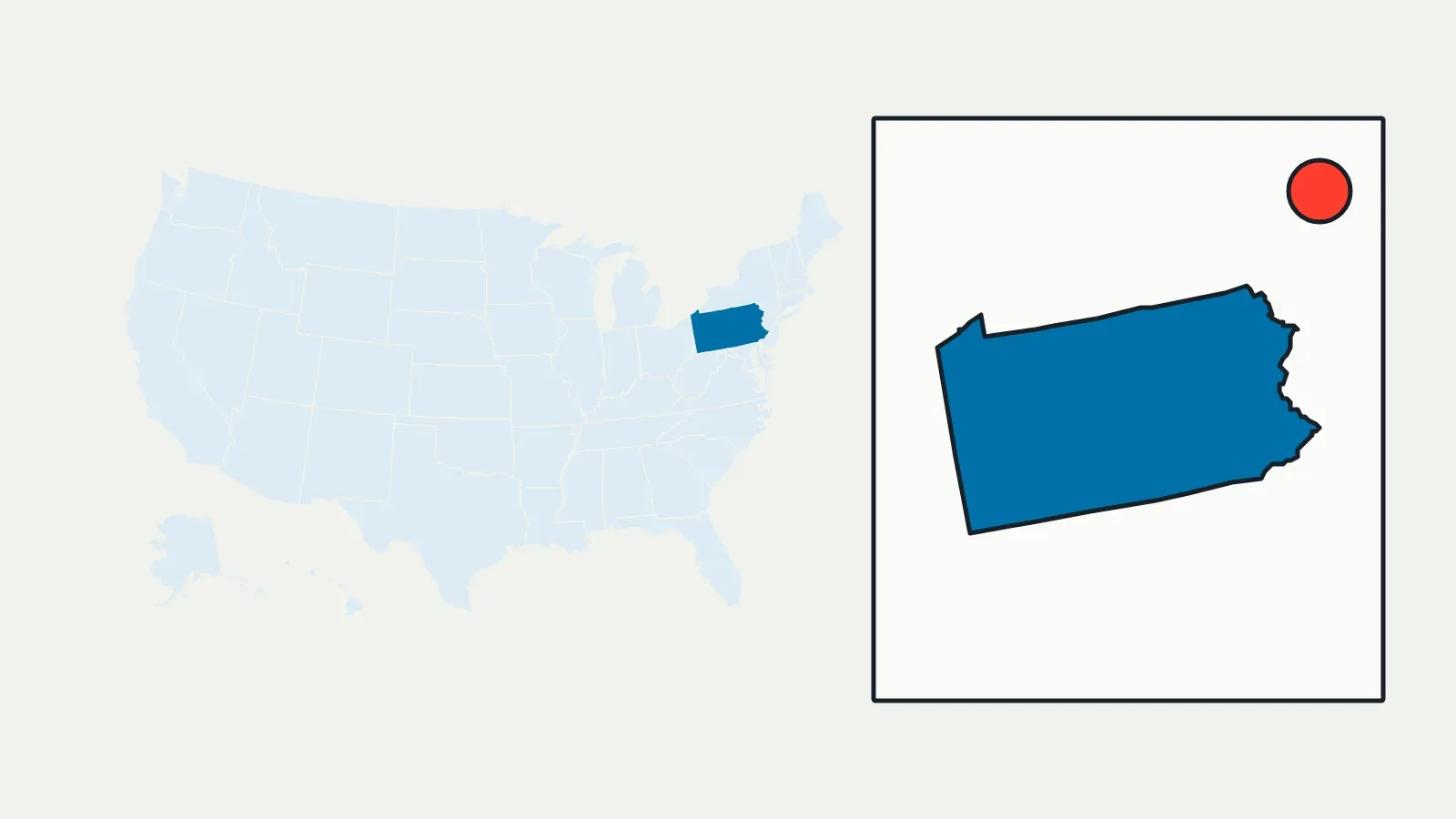
Pennsylvania
15/30/5 liability and $5,000 medical benefits required; UM/UIM offered and stacked unless waived in writing.