Insured persons
Who is covered on your policy: the circles around the name on the card
A car insurance policy protects people, not just a car. Here is how the named insured, the household, borrowers and passengers each fit, and where coverage stops.
By CoverOath Editorial Team Updated 7 min read
The promise, in short
Most personal auto policies protect several circles of people. At the center is the named insured on the declarations page. Around that sit family members who live in the household, then people who drive your car with your permission, then passengers and others the injury coverages name. The NAIC says almost all liability policies cover a licensed driver who drives your car with your permission, but some policies cover only drivers named on them. The policy's definitions decide the edges, and a named driver exclusion can remove a person from the circle.
- Center circle
- The named insured
- Usually included
- Resident family members
- Borrowers
- Often, with permission
- Decided by
- The definitions section
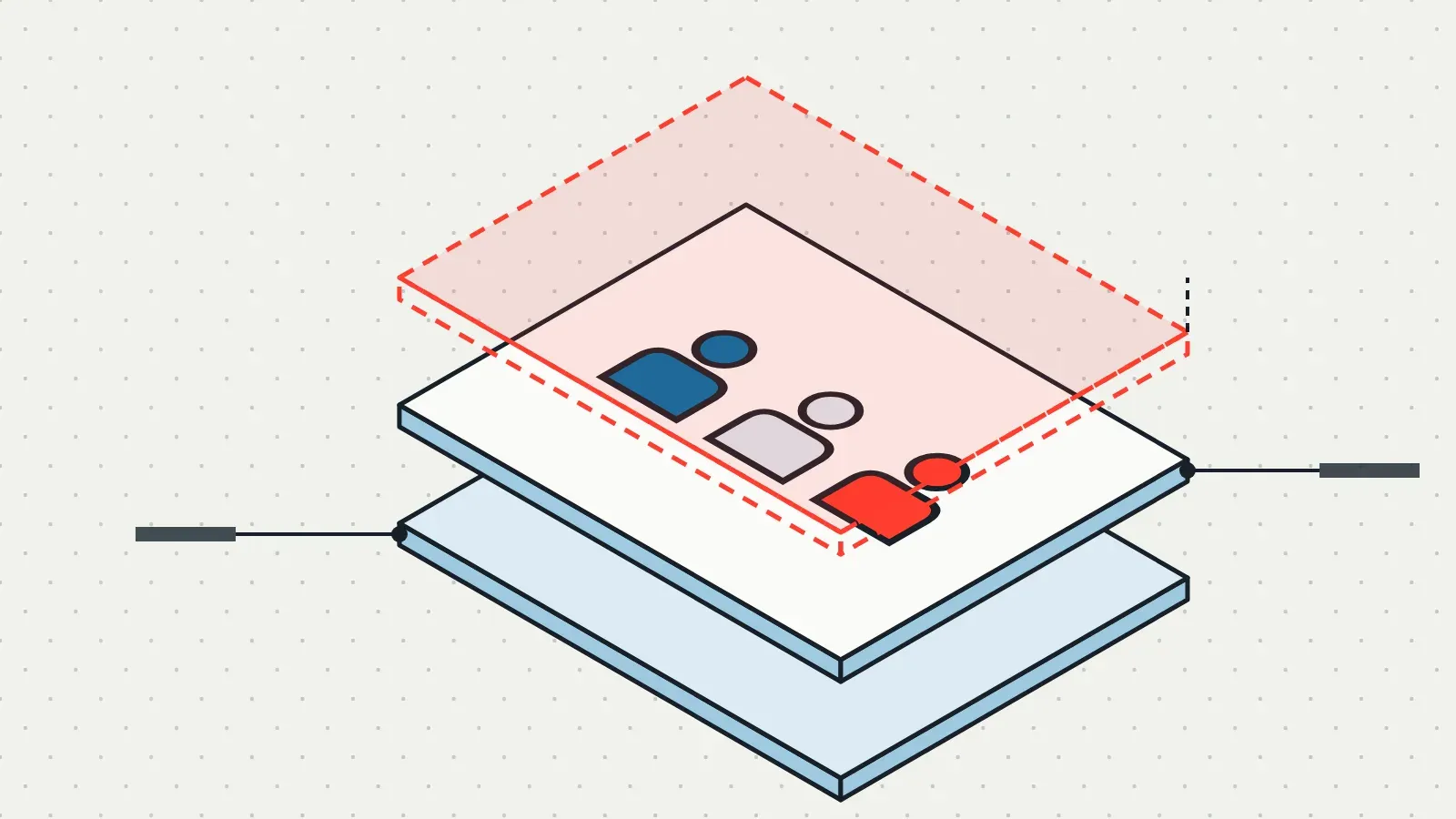
Four circles of coverage
A policy does not say "everyone who might drive". It defines a few words, such as you, family member and insured, and then each coverage part says which of those words it protects. Many policies follow the ISO personal auto policy format, which builds these circles from the named insured outward. Your insurer's definitions may draw them differently.
| Who | Liability when driving | Injury coverages (MedPay, PIP, UM) |
|---|---|---|
| Named insured (and, in many policies, a resident spouse) | Your car and, with permission, others' cars | Yes, in or out of a car, in most policies |
| Resident relatives | Usually, on the same terms | Usually, in most policies |
| Someone you lend the car to | Often, while driving your car with permission | Usually only while in your car |
| Passengers who are not family | Not applicable | Usually only while in your car |
| Driver excluded by name | No | May lose them too |
The named insured and the household
The named insured is the person, or couple, the contract is with. Many policies treat a spouse who lives in the household as if they were named, even if only one name is printed. Many also define a family member as a relative by blood, marriage or adoption who lives in your household.
The Colorado Division of Insurance says a policy provides coverage for all members of the household, including students away at school or other adults who live with you, and suggests insuring everyone in the home who has a driver's license. Washington's insurance commissioner notes that insurers can rate all licensed drivers in the household, including roommates. A roommate is in your household for rating, but may not be a family member under your policy's definition. Ask how your insurer treats one.
Lending your car
The NAIC says almost all liability policies cover a licensed driver who drives your car with your permission. The Colorado guide puts it more carefully: your policy could cover others not listed on it who drive your car with permission, and the rule may vary by state. The NAIC also warns that some policies state that no other person is covered when driving your car. Idaho sets a floor by statute: Idaho Code §49-1212(12) requires the same level of coverage for all insureds and anyone permitted to drive the vehicle, unless that person is specifically excluded, as the Idaho Department of Insurance explained in Bulletin 26-07 (July 1, 2026).
Texas makes the difference visible. A Texas Department of Insurance rule separates a named driver policy, which does not cover a person living in the named insured's household unless that person is named on the policy, from an excluded driver policy that covers every household resident except drivers excluded by name. A named driver policy must carry a written warning, in capital letters, in the policy and on the proof of insurance card.
- Permission matters. A person who takes the car without permission is usually outside the circle.
- Regular use matters. Someone who drives your car every day may need to be listed, not just permitted.
- Your limits are shared. A crash by a borrower is paid from your limits and can appear on your claim history.
When you drive someone else's car
Coverage also follows you. The Insurance Information Institute says you and family members listed on the policy are also covered under bodily injury liability when driving someone else's car with permission. The NAIC adds that your liability insurance generally covers you when you drive a friend's uninsured car.
When the owner has insurance too, two policies may apply to the same crash, and each policy's other-insurance wording, and sometimes state law, decides the order. Massachusetts, for example, sets the order for uninsured motorist claims by statute: hurt in a car you or your household own, that car's policy pays; hurt as a named insured in a car you do not own, the policy with the highest limits pays. See the Massachusetts coverage menu.
If you have no car and no policy of your own but borrow or rent often, a non-owner car insurance policy is built for that position.
Injury coverages follow people, not cars
The coverages that pay your own injuries usually reach further than liability. The III describes MedPay and PIP as covering the policyholder, passengers and family members. State law often sets the circle for required coverages.
- Kansas PIP pays you, household relatives, passengers and pedestrians struck by your car (K.S.A. 40-3107). See the Kansas coverage menu.
- Maine UM/UIM pays you, your passengers and household members, including when you are walking, biking or riding in another car (24-A M.R.S. §2902). See the Maine coverage menu.
A guest in your car is usually covered by your injury coverages only while in your car. A household member is usually covered in more places: as a pedestrian, on a bike, or as a passenger in a friend's car. Read the definition of insured in each part of your policy; see uninsured motorist coverage for how UM applies.
How to check who your policy covers
- Read the declarations page for named insureds, listed drivers and any driver excluded by name.
- Read the definitions of you, family member and insured.
- Look for a named driver warning on the policy or ID card; it means unlisted household members may not be covered.
- Tell the insurer about changes such as a new licensed teen, a returning student or a new roommate who drives.
Questions drivers ask
Is my teenager covered when they get a license?
A licensed child who lives with you is usually a family member under the policy, but insurers expect to be told and to rate the new driver. Report the license before the teen drives, and read your policy's rules on adding drivers.
Is a friend who borrows my car covered?
Often, if they have your permission and a license; the NAIC says almost all liability policies cover such a driver. Some policies cover only drivers named on them, so check yours before lending the car.
Is a college student away from home still covered?
The Colorado Division of Insurance says household coverage includes students away at school. How your policy treats a student who lives elsewhere depends on its definition of a resident family member.
Does my policy cover me in a rental car?
It may. Whether your liability and physical damage coverages extend to a rental depends on your policy's definitions and endorsements. See rental car insurance for how to check, and what the counter sells.
Drawn from
- NAIC — Auto insurance consumer guide
- Insurance Information Institute — What is covered by a basic auto insurance policy?
- Colorado Division of Insurance — Buyer's guide to auto insurance
- Washington Office of the Insurance Commissioner — Auto insurance guide (March 2025)
- Idaho Department of Insurance — Bulletin 26-07, household exclusions and step-down provisions (July 1, 2026)
- Texas Department of Insurance — Adopted rule, 28 TAC §5.208 (named driver policies), 2014
- Massachusetts General Laws ch. 175 §113L (uninsured motorist coverage; order of policies)
- K.S.A. 40-3107 (required policy contents)
- 24-A M.R.S. §2902 (uninsured and underinsured vehicle coverage)
Facts on this page were checked against these sources on November 15, 2026. The table describes how many policies define insured persons; your policy's definitions and your state's law decide who is covered.
Have this coverage priced
CoverOath doesn't sell insurance. Answer five questions and CoverOath passes your request to licensed insurance agents and insurers, who can quote the coverage; you decide whether to buy anything.
- 1 The coverage you want priced.
- 2 Where an agent can reach you, and your consent.
- 3 A licensed insurance agent or insurer contacts you with a quote. Nothing is bought until you agree.
CoverOath is not paid by you. The licensed insurance agents and insurers who contact you set their own prices and terms. How we make money.
Adjacent layers
-
Fine print
Named driver exclusion
Removes coverage whenever one named person drives. In Michigan the warning reads: no one is insured.
-
Companion policy
Non-owner car insurance
Liability for drivers without a car. In a borrowed car it pays after the owner's policy, not for the car itself.
-
Fine print
Parts of an auto policy
Declarations page, policy form, endorsements: what each part decides and the order to read them in.