UM + UIM required
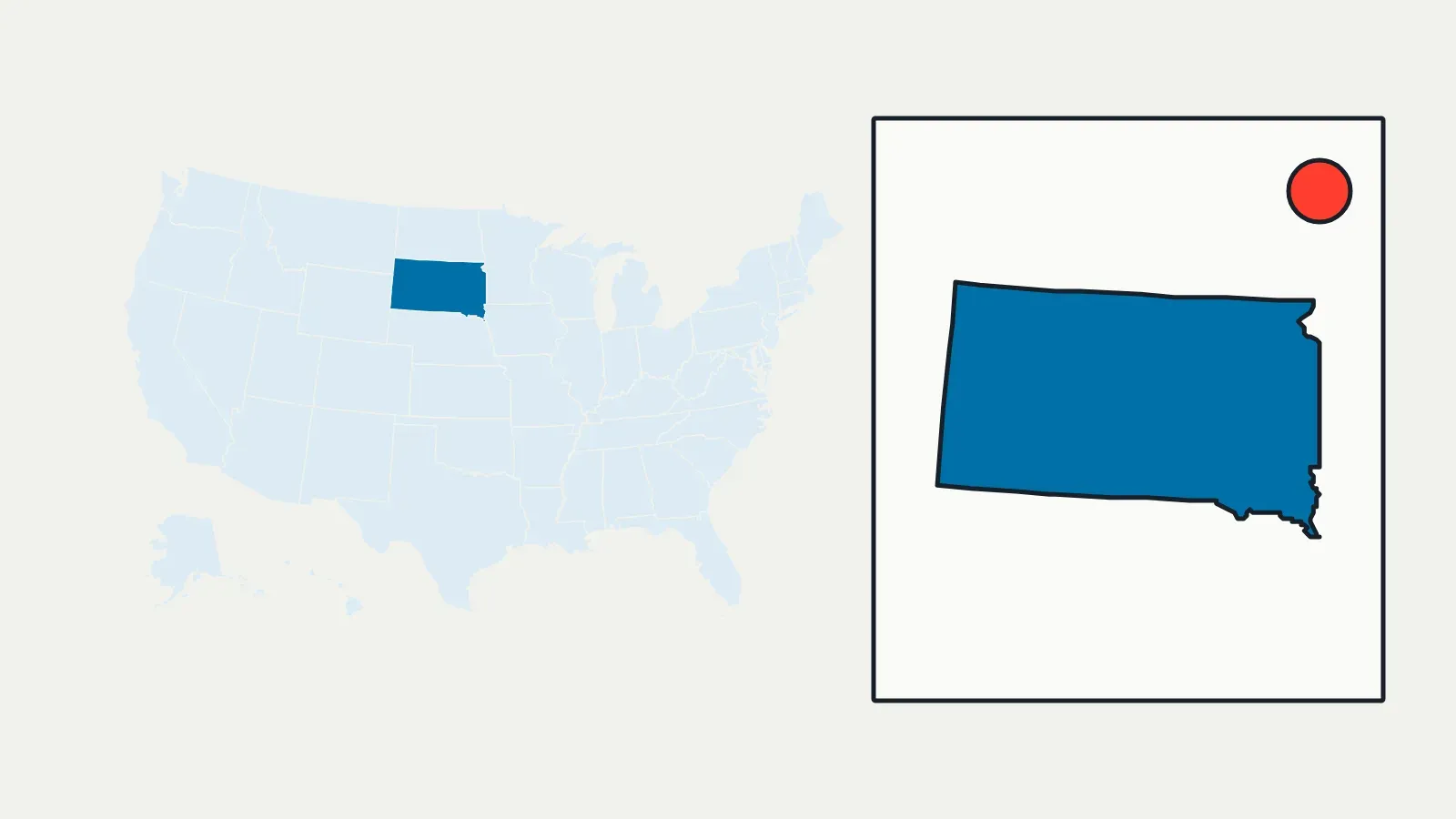
South Dakota coverage menu: liability, UM and UIM on every policy, one limit per accident
South Dakota builds both uninsured and underinsured motorist coverage into every policy and ties them to your liability limits. It also forbids adding limits together. Here is what that means on paper.
By CoverOath Editorial Team Updated 5 min read
The promise, in short
South Dakota requires 25/50/25 liability. Every policy must also include uninsured and underinsured motorist coverage equal to your bodily injury limits, so at least 25/50; the statutes require them only up to $100,000/$300,000 unless you ask for more. The law bars stacking: limits for two or more of your vehicles cannot be added together, and UM and UIM limits cannot be combined for one accident except in a narrow case. There is no PIP requirement. The Division of Insurance answers questions at 605-773-3563.
- Minimum liability
- 25/50/25
- PIP
- No PIP; MedPay optional
- UM/UIM
- Both required, no stacking
South Dakota coverage menu
What a South Dakota policy must carry
SDCL 32-35-70 sets the floor for bodily injury and property damage liability. Two more statutes, SDCL 58-11-9 and 58-11-9.4, bar insurers from issuing a policy on a South Dakota car without uninsured and underinsured motorist coverage.
| Coverage | Minimum | Whom it pays |
|---|---|---|
| Bodily injury liability | $25,000 per person / $50,000 per accident | People you injure |
| Property damage liability | $25,000 per accident | Property you damage |
| Uninsured motorist | Equal to your bodily injury limits | You, hurt by an uninsured or hit-and-run driver |
| Underinsured motorist | Equal to your bodily injury limits | You, hurt by a driver with too little insurance |
Because UM and UIM follow your liability limits, raising liability raises both. The statutes require the match only up to $100,000 per person and $300,000 per accident; above that, you have to ask for more. See how much liability coverage you need.
A worked example: a policy written at 100/300 liability carries 100/300 UM and 100/300 UIM as well. A policy written at 250/500 liability must carry at least 100/300 UM and UIM, and carries more only if you request it. When you raise your liability limits at renewal, check that the UM and UIM lines moved with them as far as you expect.
Uninsured and underinsured motorist coverage
Uninsured motorist coverage pays when the at-fault driver has no insurance, and SDCL 58-11-9 extends it to hit-and-run vehicles. Underinsured motorist coverage pays when the at-fault driver's insurance is not enough. Neither statute provides a way to reject the coverage; the only exemptions they name are snowmobiles and government-owned vehicles.
How UIM is measured
SDCL 58-11-9.5 limits UIM to the UIM limit on the vehicle of the person recovering, less the amount the at-fault driver's liability insurer paid.
An example
With 50/100 UIM and a claim worth $50,000 or more, if the other driver's insurer pays $25,000, your UIM line pays up to the remaining $25,000.
Stacking is prohibited by statute
South Dakota spells this out in three sections. SDCL 58-11-9.8 and 58-11-9.9 say that, regardless of the number of policies, vehicles, persons covered, claims or premiums paid, the UM or UIM limits for two or more of your vehicles may not be added together for one accident. SDCL 58-11-9.7 adds that your UM and UIM limits may not be added together either.
The one exception: you may recover under both your UM and your UIM coverage when two separate drivers are liable, one uninsured and the other underinsured. The Division of Insurance's auto guide also tells consumers these coverages are not stackable. How stacking works shows what the rule rules out.
PIP and medical payments
The South Dakota statutes and Division guide we reviewed contain no personal injury protection requirement. The Division describes medical payments coverage as paying necessary medical and funeral expenses from an accident regardless of fault, with the per-person limit shown on your declarations page. It is coverage you choose, not one the law requires.
Optional coverages South Dakotans add
- Collision and comprehensive for your own car; a lender or lease company will require both.
- Higher liability limits, which also lift your UM and UIM limits up to $100,000/$300,000 without a separate request.
- Add-ons such as rental reimbursement, roadside assistance and gap coverage on a financed car.
Where to check and complain
- Read your declarations page for liability, UM and UIM limits, and whether MedPay is listed.
- Check that UM and UIM match your liability limits; if they do not, ask the insurer why.
- Call the South Dakota Division of Insurance at 605-773-3563 if an insurer will not explain a coverage or a claim decision.
Questions drivers ask
Is underinsured motorist coverage required in South Dakota?
Yes. Every policy on a South Dakota vehicle, except snowmobiles and government-owned vehicles, must include UIM at a face amount equal to the policy's bodily injury limits.
Can I stack UM or UIM coverage in South Dakota?
No. The statutes bar adding together the limits of two or more of your vehicles, and bar adding UM and UIM limits together except when one uninsured and one underinsured driver are both liable.
Does South Dakota require PIP?
No. South Dakota has no PIP requirement. Medical payments coverage is optional.
How much UM and UIM do I have?
The same as your bodily injury liability limits, up to $100,000/$300,000 unless you asked for more. Your declarations page shows the exact figures.
Drawn from
- South Dakota Division of Insurance — Automobile insurance
- SDCL 32-35-70, minimum liability amounts
- SDCL 58-11-9 (UM) and 58-11-9.4 (UIM)
- SDCL chapter 58-11 (58-11-9.5 UIM measure; 58-11-9.7 to 58-11-9.9 no stacking)
Facts on this page were checked against these sources on November 15, 2026. The anti-stacking rules are in SDCL 58-11-9.7, 58-11-9.8 and 58-11-9.9.
Have this coverage priced
CoverOath doesn't sell insurance. Answer five questions and CoverOath passes your request to licensed insurance agents and insurers, who can quote the coverage; you decide whether to buy anything.
- 1 The coverage you want priced.
- 2 Where an agent can reach you, and your consent.
- 3 A licensed insurance agent or insurer contacts you with a quote. Nothing is bought until you agree.
CoverOath is not paid by you. The licensed insurance agents and insurers who contact you set their own prices and terms. How we make money.
Adjacent layers
-
Core coverage
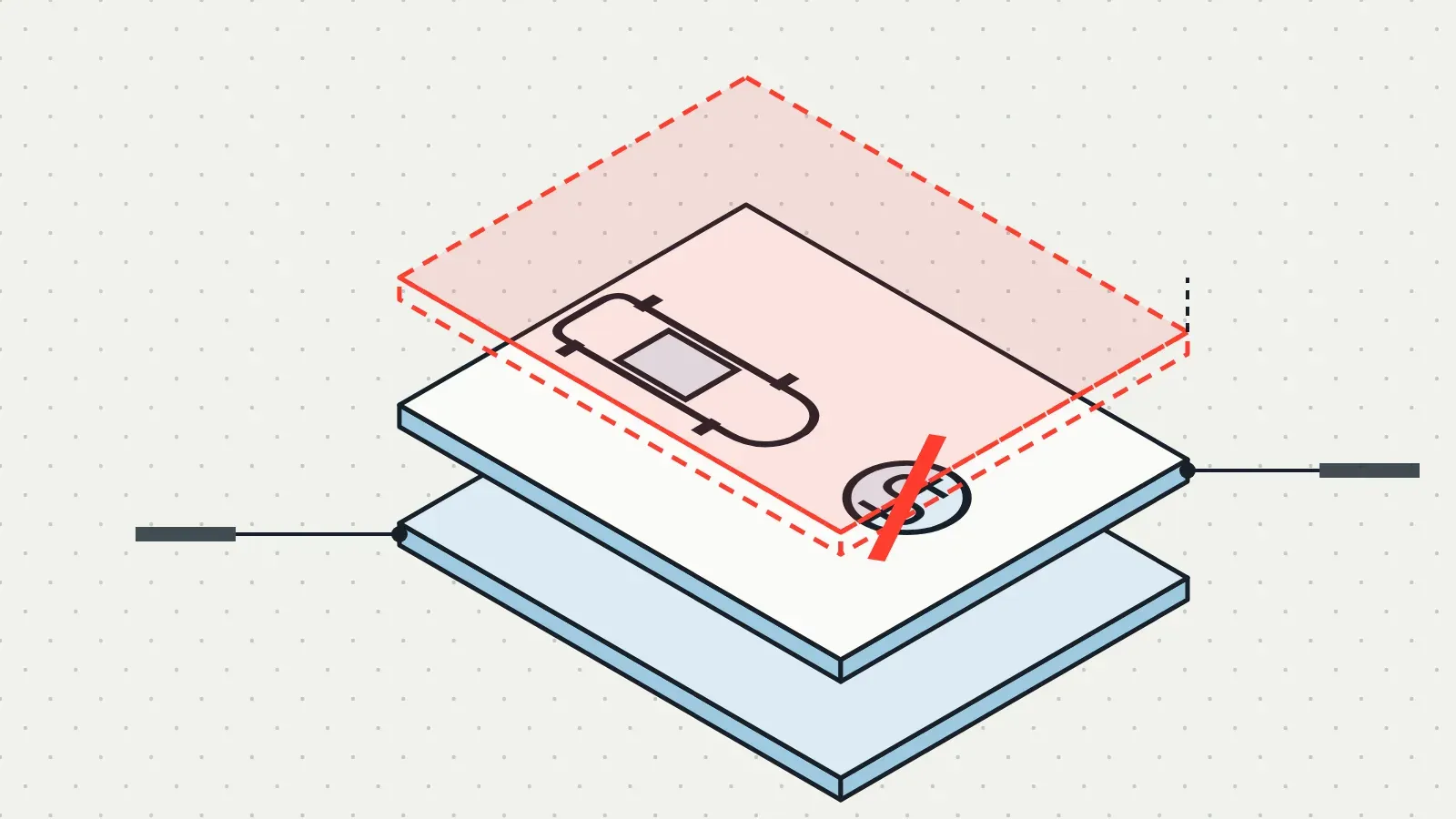
Underinsured motorist coverage (UIM)
Pays your injuries above the at-fault driver's limit. Added-on UIM stacks on their payment; offset UIM subtracts it.
-
Core coverage
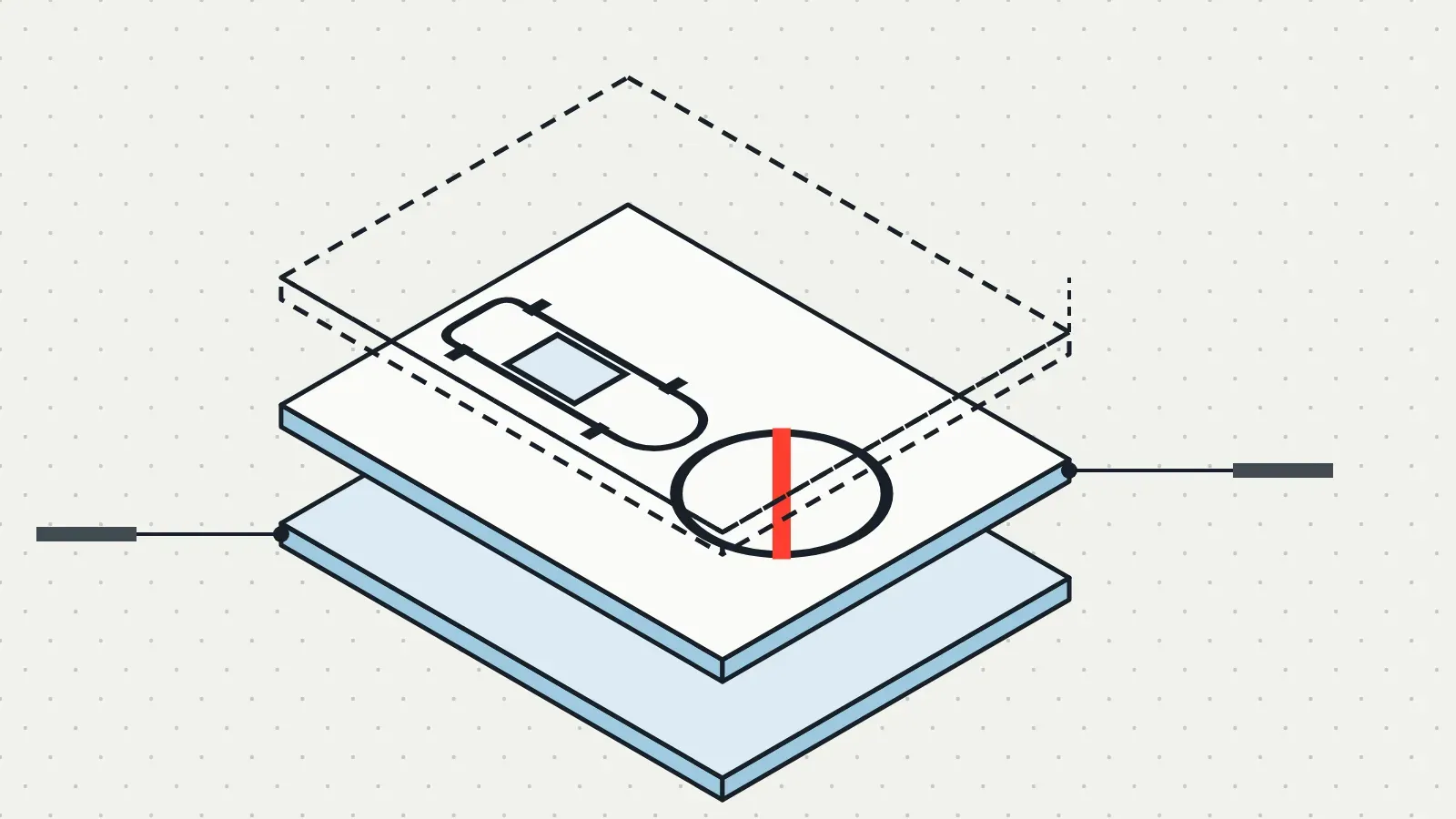
Uninsured motorist coverage (UM)
Pays your injuries when an uninsured or hit-and-run driver is at fault. Required in about 20 jurisdictions.
-
Fine print
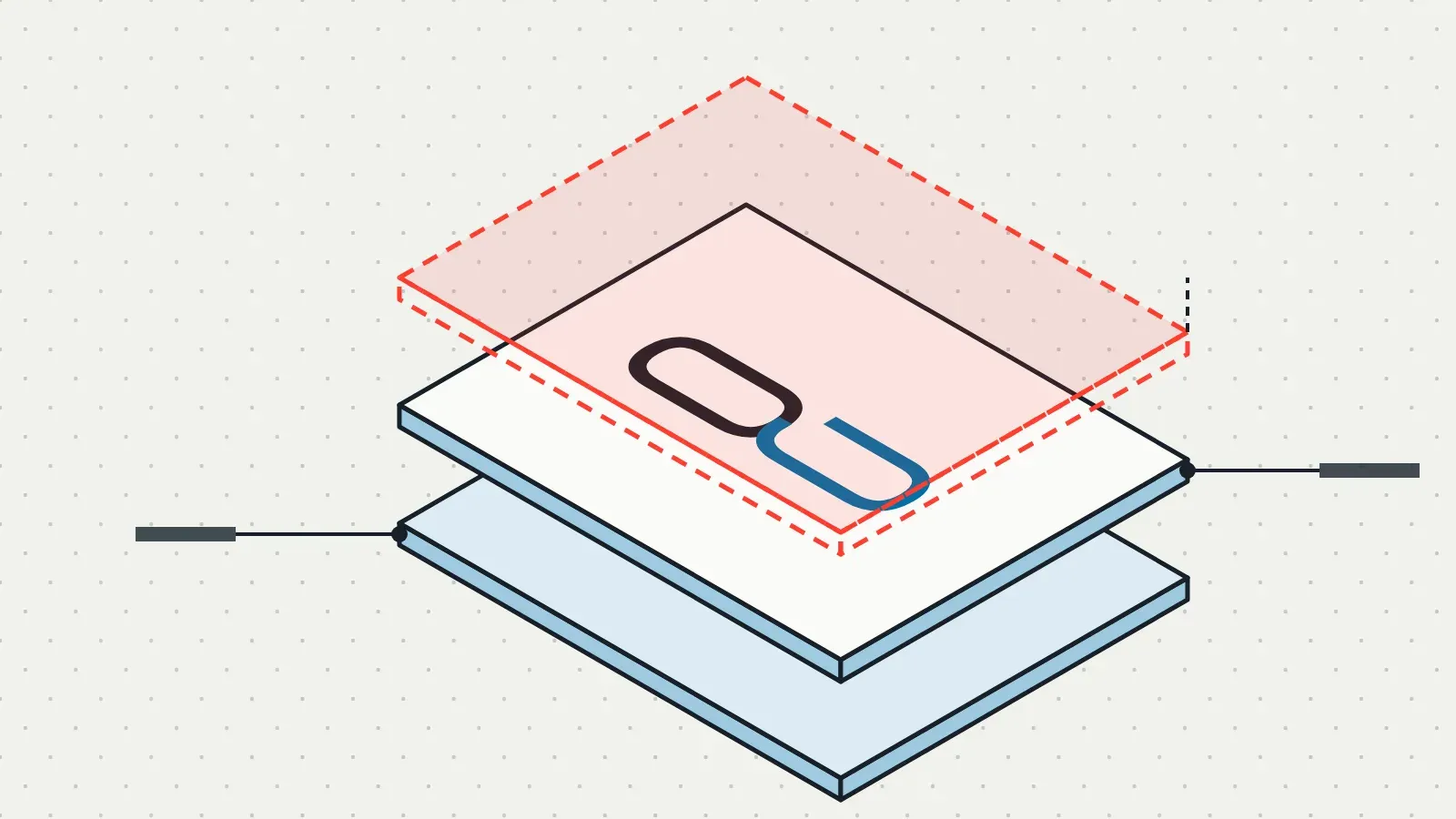
Stacking UM/UIM coverage
Whether UM limits on several cars add up. Pennsylvania and Florida stack by default; California bans it.