RV policy
RV insurance: a vehicle policy, a trailer rider or a home on wheels
An RV is two things at once: something you drive or tow, and a place you sleep. Which policy pays depends on whether it has an engine and on how many nights a year you live in it. Here is the map.
By CoverOath Editorial Team Updated 7 min read
The promise, in short
A motorhome is driven, so it needs its own policy with liability, like a car; collision and comprehensive pay for damage to it. A travel trailer or fifth wheel is towed: your auto policy may pay for accidents you cause while pulling it, but damage to the trailer itself usually needs a separate RV policy or an endorsement. The NAIC notes that a standard auto policy does not cover RVs as vehicles. If the RV is your home, full-timer coverage adds personal property and liability for when you are not driving. Check what your endorsements already add before buying more.
- Motorhome liability
- Required, like a car
- Towed trailer damage
- Needs RV policy or rider
- Standard auto policy
- Leaves out RVs
- Full-timers add
- Liability + belongings
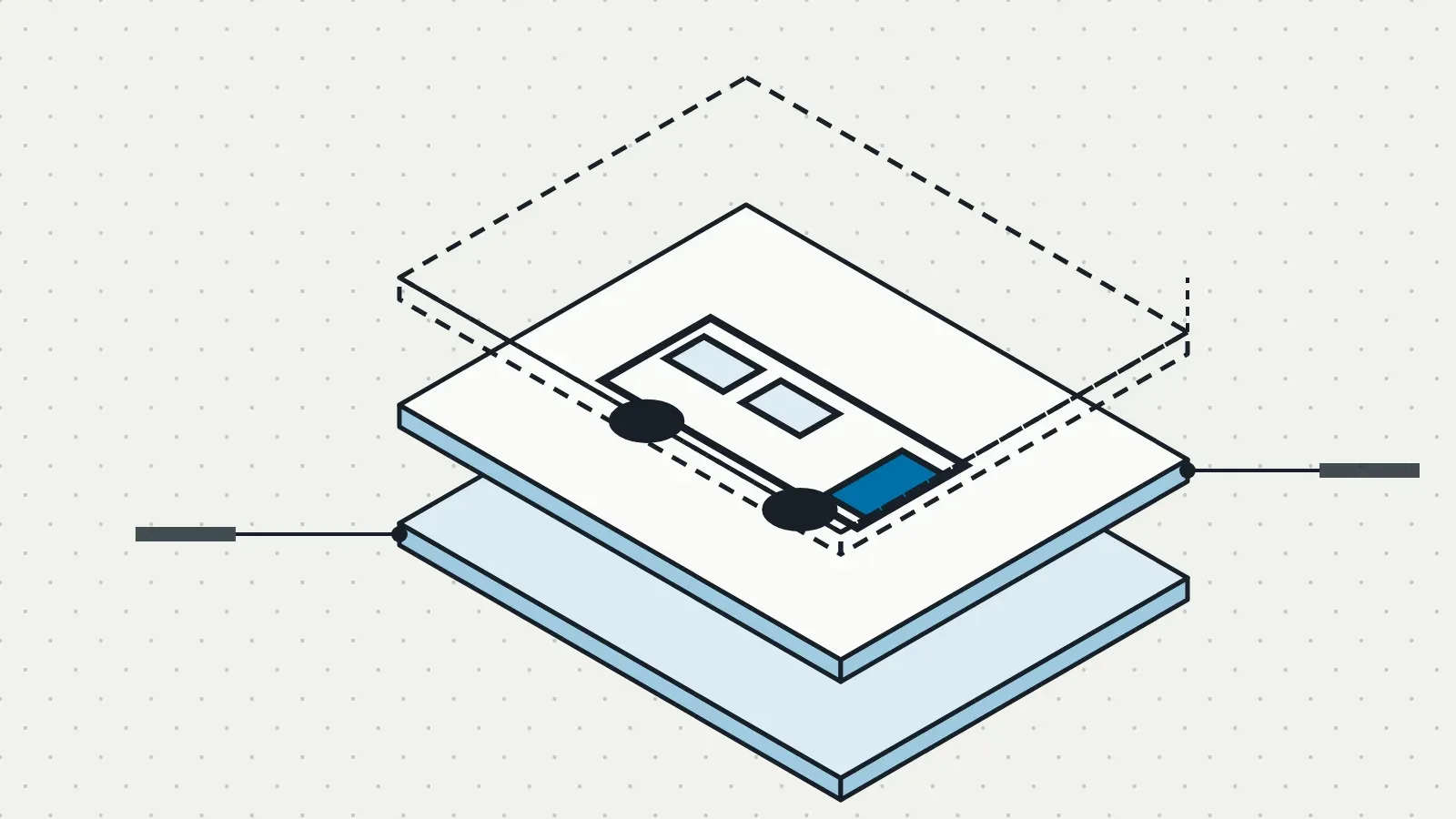
Motorized or towable
The Texas Department of Insurance splits RVs the way insurers do. Motorhomes are drivable and are not pulled by another vehicle. Travel trailers and fifth wheels are pulled by a truck. The split decides where the liability comes from and what kind of policy covers the RV itself.
| Question | Motorhome | Travel trailer or fifth wheel |
|---|---|---|
| Liability on the road | Its own policy, like a car | Usually through the tow vehicle's auto policy |
| Damage to the RV | Collision and comprehensive on the RV policy | A separate RV policy or an endorsement |
| Belongings inside | RV policy; home policy may pay a little | RV policy; home policy may pay a little |
| Living in it full time | Full-timer coverage | Full-timer coverage |
The NAIC lists recreational vehicles among the vehicles a standard auto policy does not cover, next to motorcycles, ATVs and commercial vehicles. That is the starting point for both kinds: the RV needs its own line somewhere, even if part of the job is done by your car's policy.
Motorhomes
A motorhome is a motor vehicle, so state liability laws apply to it the same way they apply to a car. The Texas Department of Insurance says Texas law requires a policy with liability coverage for a motorhome to pay for accidents you cause. Other states' minimums are on the state menu pages.
For damage to the motorhome itself, the TDI points to the usual pair: collision for crashes, and comprehensive for fire, theft, storms and other non-crash losses. Because a motorhome is worth more than most cars and is full of appliances and fixtures, read how the policy values it after a total loss and what counts as part of the vehicle.
- Valuation. Ask whether a total loss is paid at actual cash value or on another basis the policy offers.
- Attached equipment. Awnings, generators, satellite dishes and solar panels: part of the RV, or listed separately?
- Towed car. A car pulled behind the motorhome is a separate vehicle on paper; ask how its policy and the motorhome policy respond together.
Travel trailers and fifth wheels
A trailer has no engine, so on the road it moves under the tow vehicle's insurance. The TDI says your auto insurance might pay for accidents you cause while pulling the trailer. The North Carolina Department of Insurance describes the same idea in the personal auto policy: its liability covers you or a family member while using any automobile or trailer.
The trailer itself is a different story. The TDI adds that you probably need a separate RV policy or an endorsement to cover damage to the travel trailer. In North Carolina, for example, a miscellaneous type vehicle endorsement on an auto policy can cover travel trailers, along with motorcycles and golf carts.
Full-timers and part-time campers
If the RV is where you live, a homeowners or renters policy may no longer apply to your life on the road. Full-timer coverage fills that space. The TDI describes it as personal property and liability coverage, with the liability paying for other people's damages you cause when you are not driving: the campsite version of a homeowners policy's personal liability.
Full-timer coverage
For people who live in the RV most or all of the year. Adds personal liability and coverage for belongings, like a home policy for an address on wheels.
Part-time use
For people with a home elsewhere. Ask the RV insurer what liability, if any, applies while the RV is parked at a campsite, and how it fits with your homeowners policy.
Belongings need their own check. The TDI says you need an RV policy to cover personal property inside a travel trailer or motorhome, and that a home policy might pay some, but the coverage is very limited. Compare with how home and renters policies treat items stolen from a car.
Reading the declarations pages together
An RV often ends up spread across two or three documents: the auto policy on the tow vehicle, an RV policy or endorsement on the trailer or motorhome, and a homeowners or renters policy at home. Lay the declarations pages side by side and check that each risk has a line on one of them. A gap tends to hide where the documents assume another one is doing the work: the parked trailer, the belongings inside it, the months you live in it.
If you carry an umbrella policy, add the RV to that check. Umbrella policies usually expect certain liability limits on the policies beneath them, and an RV insured with lower limits than your car can leave a hole between the two. Ask the umbrella insurer what it requires for a motorhome or a towed trailer.
Before you buy
- Name the type. Motorhome, travel trailer or fifth wheel; the policy and the forms differ.
- Check your auto policy. Ask how its liability applies while towing, and whether a trailer endorsement exists.
- Decide the RV's value basis. Ask how a total loss is paid and what is included in the vehicle.
- Count the nights. Full-time living needs full-timer coverage; for part-time use, ask what liability applies while the RV is parked.
- List the contents. Estimate what you keep aboard and compare it with the RV policy's personal property limit.
Questions drivers ask
Does my car insurance cover my travel trailer?
Partly. The Texas Department of Insurance says your auto insurance might pay for accidents you cause while pulling it, but you probably need a separate RV policy or an endorsement for damage to the trailer itself.
Do I need insurance on a motorhome I only use in summer?
A motorhome is a motor vehicle, so your state's liability requirement applies whenever it is registered for the road. Ask your insurer about options for the months it is stored.
What is full-timer coverage?
Coverage for people who live in their RV. The Texas Department of Insurance describes it as personal property and liability coverage, with the liability paying for damage you cause to others when you are not driving.
Are my belongings in the RV covered by my homeowners policy?
Only to a limited extent. The TDI says a home policy might pay some, but the coverage is very limited; an RV policy covers personal property inside the RV.
Drawn from
- Texas Department of Insurance — Insurance for RVs: Know your coverages
- North Carolina Department of Insurance — Basic and miscellaneous auto coverages
- NAIC — What does auto insurance cover?
Facts on this page were checked against these sources on November 15, 2026. How a towed trailer is covered is set by your auto policy's wording and endorsements; the Texas and North Carolina descriptions are examples, not rules for every state.
Have this coverage priced
CoverOath doesn't sell insurance. Answer five questions and CoverOath passes your request to licensed insurance agents and insurers, who can quote the coverage; you decide whether to buy anything.
- 1 The coverage you want priced.
- 2 Where an agent can reach you, and your consent.
- 3 A licensed insurance agent or insurer contacts you with a quote. Nothing is bought until you agree.
CoverOath is not paid by you. The licensed insurance agents and insurers who contact you set their own prices and terms. How we make money.
Adjacent layers
-
Fine print
Endorsements and riders
Written changes attached to your policy: they add coverage, remove it, or rewrite the form for your state.
-
Core coverage
Collision coverage
Pays to fix or replace your car after a crash, at fault or not, minus your deductible and up to its value.
-
Companion policy
Personal items stolen from a car
Auto insurance covers the car, not what's inside; homeowners or renters insurance may pay for stolen belongings.