Pet add-on
Pet injury coverage: the plate for the passenger in the back seat
Your auto policy treats a dog in the back seat as neither a person nor part of the car. This small add-on fills that space, with a low limit and a few conditions worth knowing before you count on it.
By CoverOath Editorial Team Updated 6 min read
The promise, in short
Pet injury coverage pays reasonable veterinary bills when your dog or cat is hurt in a crash or another covered loss while riding in a car, and reasonable costs such as cremation if the pet dies. In the standard ISO endorsement, the limit is $500, $1,000 or $2,000 per loss for all your pets together, with no deductible, and the policy must carry collision and comprehensive on at least one car. It does not cover a pet hit at home, other kinds of animals, or someone else's pet. Some insurers include a version with collision, some sell it as an option, and some don't offer it.
- Pays for
- Vet bills, or burial costs
- Pets covered
- Your dogs and cats
- ISO form limits
- $500, $1,000 or $2,000
- Needs first
- Collision + comprehensive
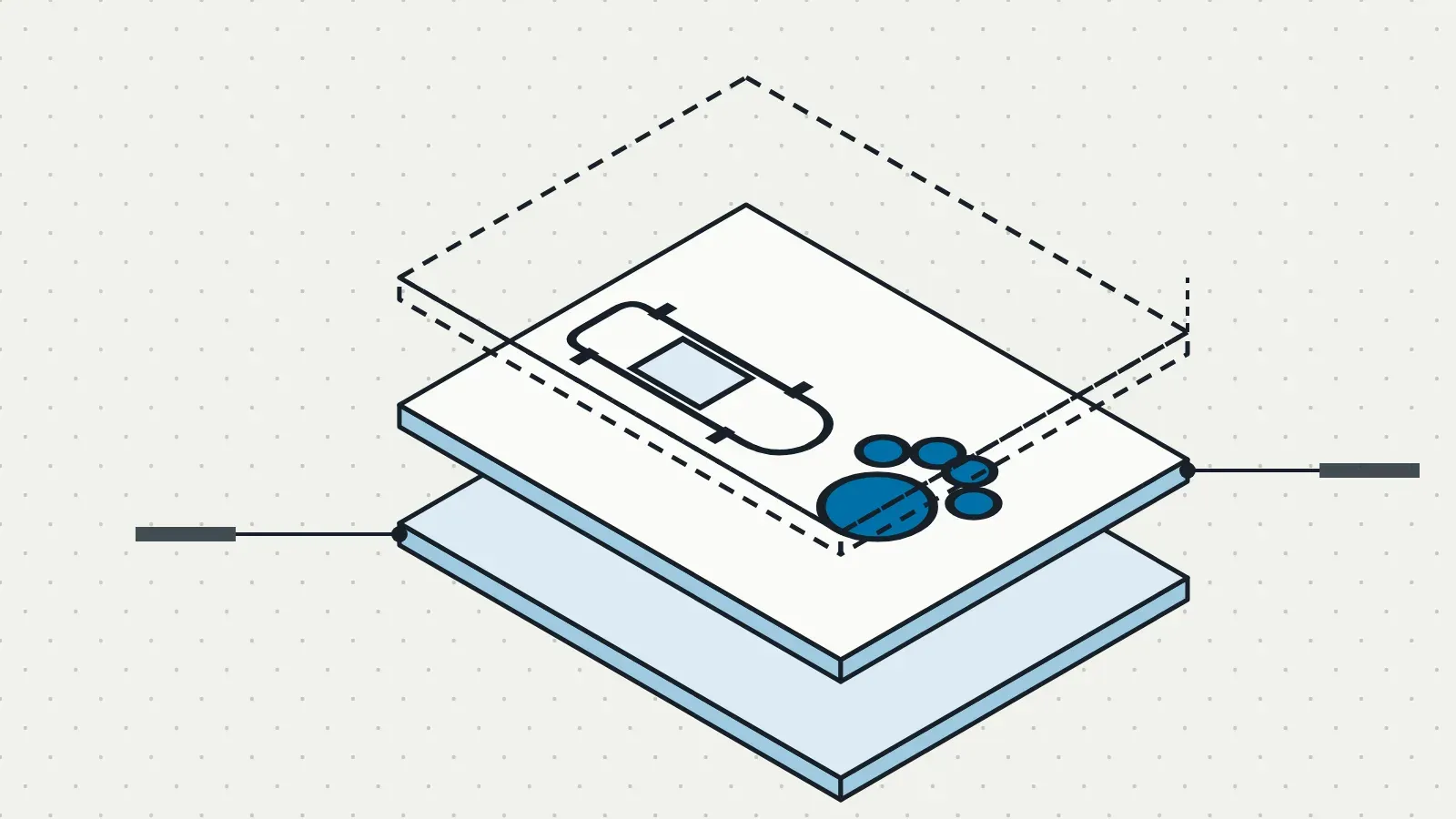
Why your policy needs an add-on for a pet
A car policy sorts losses into people and property. Medical payments and personal injury protection pay for injured people. Collision and comprehensive pay for damage to the car itself. A dog riding in the car is neither, so a standard policy has no line that pays the emergency vet. The animal is family to you; to the policy it falls between the two columns.
The Insurance Services Office (ISO), which writes standard policy forms many insurers adopt or adapt, added an optional Pet Injury Coverage endorsement, form PP 33 31, in its September 2018 edition. An analysis by FC&S, a commercial insurance reference service, lays out how it works. Insurers that write their own version set their own terms.
Progressive is one example of an insurer with its own version. Its pet insurance page says Pet Injury Protection is included in Progressive's collision coverage and can pay up to $1,000 for medical care if your dog or cat is hurt in a car accident, regardless of fault. Other insurers price it as a separate line, so the first question to ask is whether you already have it.
What the ISO endorsement pays
- Veterinary expenses that are reasonable and result from an injury to your pet.
- Costs after a death, such as cremation or disposal, if the pet does not survive.
- Any covered loss: a collision, or a loss other than collision, the kind comprehensive covers, as long as the pet was in the car.
- Your car or another one. The pet can be in a car you own or in a non-owned car you are using.
| Term | ISO endorsement | What it means |
|---|---|---|
| Limit options | $500, $1,000 or $2,000 | You pick one; it appears in the schedule |
| Limit applies to | Each loss | All pets, claims and cars in one loss share it |
| Deductible | None | Paid from the first dollar, up to the limit |
| Time to get treatment | Within one year of the loss | Later vet visits are not covered |
One limit for the whole loss matters if you travel with more than one animal. Two injured dogs in one crash share the same $1,000 or $2,000, not one each.
What it leaves out
Pets that aren't dogs or cats
The ISO form defines a covered pet as a dog or cat owned by you or a family member. Birds, rabbits, reptiles and ferrets are outside it.
A pet outside the car
If your car backs over your dog in the driveway, the ISO endorsement does not pay. The pet must be inside the auto when the loss happens.
Someone else's pet
A friend's dog riding with you is not your pet under the form. Injury you cause to another person's animal is a question for liability coverage, not this add-on.
Ongoing care
Treatment must be given within one year of the loss. Long-term care beyond that, and routine care, need pet health insurance.
Pet injury coverage or pet insurance
Pet health insurance is a separate policy for your animal, sold as accident-only plans or broader plans that also cover illness. Progressive's guide notes that such plans usually make you meet a deductible first and let you choose the share of eligible vet bills they reimburse, such as 90%. Pet injury coverage on a car policy is narrower: it responds only to a car-related loss while the pet is in a vehicle, and its limit is small. It is not a replacement for pet insurance; it fills one corner.
If you already have pet insurance, the auto add-on mainly saves you the pet policy's deductible and co-payment after a crash. If you don't, the auto add-on gives limited help in one scenario and nothing for an illness or an accident at home.
Who it fits
The coverage fits people who drive with a dog or cat often, already carry collision and comprehensive, and have no pet insurance or have one with a high deductible. If you are choosing among the ISO limits, compare them with what your own vet charges for an emergency visit and imaging; that number decides whether $500 is useful or only a start. If your pet rarely leaves the house, or your insurer already includes the coverage with collision, there is little to decide.
A secured pet is also a safer passenger. A crate or a harness won't change what the endorsement pays, but it keeps an animal from becoming the injury in the first place.
How to check your policy
- Look at the declarations page. Pet injury coverage, if you have it, appears with a limit, sometimes as part of a package.
- Confirm collision and comprehensive are on at least one car.
- Read the definition of pet. Note which animals count and who must own them.
- Keep vet records and the bill. Expect to be asked for the auto claim number and itemized vet invoices.
- Check the rest of the menu. See how endorsements attach to a policy and what else you may add.
Questions drivers ask
Does car insurance cover my dog if it's hurt in a crash?
Not under the standard coverages. Medical payments and PIP cover people, and collision and comprehensive cover the car. You need a pet injury endorsement or a policy that includes one.
Is there a deductible on pet injury coverage?
Not in the ISO endorsement: it pays from the first dollar up to the limit you chose. An insurer's own version may differ, so read its terms.
Does it matter who caused the crash?
Not for the coverage itself. It pays under your own policy after a collision or other covered loss; Progressive, for example, says its version pays regardless of fault.
Does pet injury coverage pay if I hit someone else's dog?
No. It covers your own dog or cat while riding in a car. A claim from another animal's owner goes to your liability coverage, subject to fault and state law.
Is my cat covered if it was in a carrier in my friend's car?
Under the ISO form, yes, if your policy has collision and comprehensive on at least one car and the loss is one of the covered types. The pet can be in a non-owned car you are using.
Drawn from
- FC&S (PropertyCasualty360), commercial reference — PP 33 31 09 18 Pet Injury Coverage endorsement analysis (February 19, 2024)
- Progressive — Pet insurance 101 (describes Progressive's own Pet Injury Protection)
- NAIC — Auto insurance consumer guide
Facts on this page were checked against these sources on November 15, 2026. The pet, limit and one-year terms are those of the ISO endorsement PP 33 31 (09 18 edition); an insurer's own pet injury coverage may define pets, limits and conditions differently.
Have this coverage priced
CoverOath doesn't sell insurance. Answer five questions and CoverOath passes your request to licensed insurance agents and insurers, who can quote the coverage; you decide whether to buy anything.
- 1 The coverage you want priced.
- 2 Where an agent can reach you, and your consent.
- 3 A licensed insurance agent or insurer contacts you with a quote. Nothing is bought until you agree.
CoverOath is not paid by you. The licensed insurance agents and insurers who contact you set their own prices and terms. How we make money.
Adjacent layers
-
Core coverage
Collision coverage
Pays to fix or replace your car after a crash, at fault or not, minus your deductible and up to its value.
-
Core coverage
Comprehensive coverage
Pays for theft, hail, fire, flood, vandalism and animal strikes to your car, minus your deductible.
-
Fine print
Endorsements and riders
Written changes attached to your policy: they add coverage, remove it, or rewrite the form for your state.