Deductible add-on
Full glass coverage: taking the deductible off broken glass
A cracked windshield is a comprehensive claim, and the comprehensive deductible often costs more than the repair. Full glass coverage changes that one line. Here is what it does, where state law already does it for you, and what it leaves out.
By CoverOath Editorial Team Updated 7 min read
The promise, in short
Broken car glass is normally paid under comprehensive coverage, after the comprehensive deductible. Full glass coverage is an option that removes or reduces that deductible for glass, so a windshield, side window, rear window or glass sunroof can be repaired or replaced for little or nothing out of pocket. It only works on a car that carries comprehensive. In Florida, Kentucky and South Carolina, state law already keeps the deductible off glass for policies with comprehensive, so the add-on has less to do there. Check your state's rule and your declarations page before you pay for it.
- Changes
- Deductible on glass
- Needs first
- Comprehensive
- $0 by state law
- FL, KY, SC (with comp)
- Pays for
- Windshield, windows
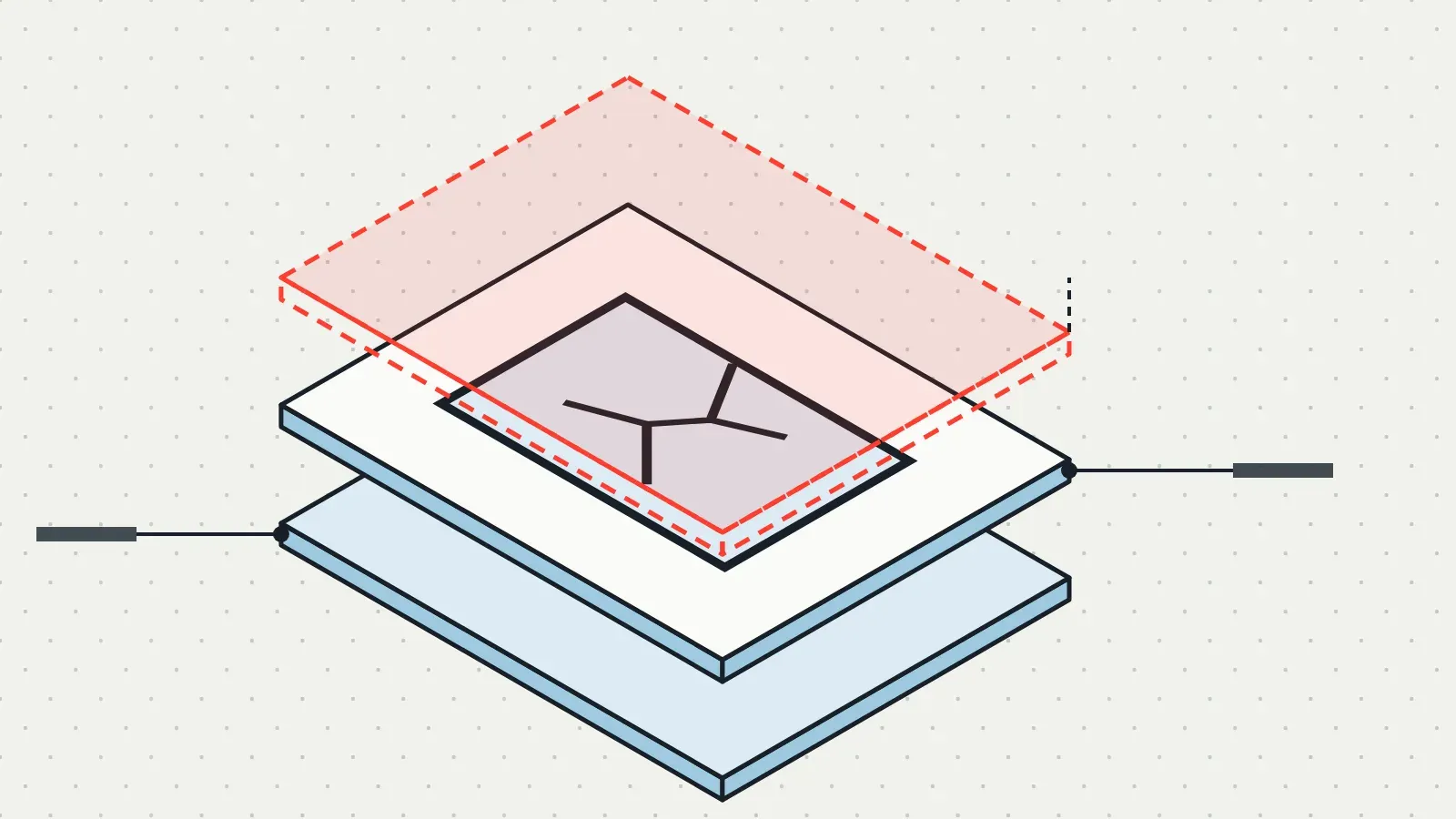
Where glass sits in a policy
The NAIC's consumer guide says comprehensive coverage also covers broken glass, such as windshield damage. A rock thrown up by a truck, a falling branch, hail or a break-in are all comprehensive losses. That means the comprehensive deductible applies: if it is $500 and the windshield costs $450 to replace, the claim pays nothing.
Full glass coverage is the add-on that changes that arithmetic. The Insurance Information Institute describes glass coverage as supplemental coverage for windshield damage that also reaches side windows, rear windows and glass sunroofs. Depending on the insurer, it may set the glass deductible to zero or to a lower amount than the rest of comprehensive. It does not create new coverage for a car that has none: the glass promise rides on comprehensive.
| Line | Comprehensive only | With full glass coverage |
|---|---|---|
| Windshield replacement | $450 | $450 |
| Deductible that applies | $500 comprehensive | $0 glass |
| Insurer pays | $0 | $450 |
| You pay | $450 | $0 |
Three states that already require it
Some states write the zero deductible into law. The Insurance Information Institute notes that some states have no deductible for windshield repair and replacement. Three examples, each tied to comprehensive:
| State | Rule | Scope |
|---|---|---|
| Florida | Fla. Stat. § 627.7288 | No deductible for windshield damage on a policy with comprehensive |
| Kentucky | KRS 304.20-060 | Safety glass, including windshield, door and window glass, paid with no deductible |
| South Carolina | S.C. Code § 38-77-280(B) | Physical damage deductibles do not apply to automobile safety glass |
In these states, a full glass add-on has little left to change for the glass the law already covers. Read the scope, though. Florida's statute speaks of the windshield; Kentucky's and South Carolina's speak of safety glass more broadly. Elsewhere, the deductible applies to glass unless you buy an option. Your state menu page notes any glass rule.
How a glass claim runs
A glass claim is usually the shortest claim a car owner files. You report the damage, the insurer confirms that comprehensive and any glass option are on the car, and a glass shop either repairs the break or replaces the pane. With a zero glass deductible, the insurer pays the agreed price and you pay nothing for the glass itself.
Repair and replacement are different jobs. A small chip can often be filled with resin and left in place; a long crack, or damage in the driver's line of sight, usually means a new windshield. The insurer and the shop decide which one the damage needs, and the price follows that decision.
Many policies give the insurer a say in the price it pays for glass, and some insurers work with a network of glass shops. Before work starts, ask three things: which shop the insurer will pay in full, whether the replacement glass is original-manufacturer or aftermarket, and who handles any recalibration. The answers are cheaper to get before the windshield comes out than after. See OEM parts coverage for how parts brands are chosen in a claim.
Who it fits
- You carry a high comprehensive deductible, so most glass claims would fall below it.
- You drive where windshields break often: highways with gravel trucks, construction zones, long commutes behind other cars.
- Your car's glass is expensive to replace, for example because of a large windshield or a glass roof.
It fits less well if your comprehensive deductible is already low, or if your state's law already removes it. The add-on break-even calculator compares the yearly cost of the option with the claims it would need to pay to earn it back. Put in a realistic count: one windshield every few years is a different bet from one a year, and the price of your car's glass matters as much as the price of the option.
When it does not pay
- No comprehensive on the car. A liability-only policy has no glass coverage for an option to modify.
- Damage beyond the glass. The option changes the deductible on glass; a dented roof from the same hailstorm is a regular comprehensive claim.
- Parts the policy does not call glass. Mirrors, lights and trim may be treated as other parts; the definition in the endorsement decides.
- Glass broken in a crash. Depending on the policy, that may be handled under collision and its deductible; ask your insurer how it classifies it.
If your car has a camera or sensor mounted behind the windshield for driver-assistance features, ask whether recalibration is part of the glass claim. It is a separate line on many repair bills, and the answer depends on the insurer and the shop.
How to check it on your policy
- Find comprehensive on the declarations page for each car, with its deductible.
- Look for a glass line or endorsement. It may read full glass, glass coverage, or a separate glass deductible amount.
- Check your state rule. In Florida, Kentucky and South Carolina, the law removes the deductible for glass covered by comprehensive. See state menus.
- Ask about repair versus replacement and whether you may choose the glass shop before you file a claim.
Questions drivers ask
Does comprehensive cover a cracked windshield?
Yes, in a typical policy. The NAIC says comprehensive covers broken glass such as windshield damage. Your comprehensive deductible applies unless you have a glass option or your state removes it.
Do I need full glass coverage in Florida?
Less than elsewhere. Fla. Stat. § 627.7288 says the deductible does not apply to windshield damage on a policy with comprehensive. A glass option could still matter for other glass if your policy treats it differently; see the Florida menu.
Does full glass coverage include side windows and sunroofs?
Often. The Insurance Information Institute describes glass coverage as reaching side windows, rear windows and glass sunroofs as well as the windshield. Your insurer's endorsement sets the exact list.
Will a glass claim count against me?
Insurers treat glass claims differently, and state rules on surcharges vary. Ask your insurer before you file. See accident forgiveness for how some insurers handle surcharges.
Drawn from
- NAIC — Auto insurance consumer guide
- Insurance Information Institute — What is covered by a basic auto insurance policy?
- Florida Statutes § 627.7288 (windshield deductible)
- Florida Department of Financial Services — Personal automobile insurance overview
- Kentucky Department of Insurance — Review requirements checklist: personal auto (KRS 304.20-060)
- S.C. Code Title 38, Chapter 77 (§ 38-77-280, safety glass)
- South Carolina Department of Insurance — Automobile insurance
Facts on this page were checked against these sources on November 15, 2026. The Florida, Kentucky and South Carolina glass rules apply only to cars that carry comprehensive or other physical damage coverage.
Have this coverage priced
CoverOath doesn't sell insurance. Answer five questions and CoverOath passes your request to licensed insurance agents and insurers, who can quote the coverage; you decide whether to buy anything.
- 1 The coverage you want priced.
- 2 Where an agent can reach you, and your consent.
- 3 A licensed insurance agent or insurer contacts you with a quote. Nothing is bought until you agree.
CoverOath is not paid by you. The licensed insurance agents and insurers who contact you set their own prices and terms. How we make money.
Adjacent layers
-
Core coverage
Comprehensive coverage
Pays for theft, hail, fire, flood, vandalism and animal strikes to your car, minus your deductible.
-
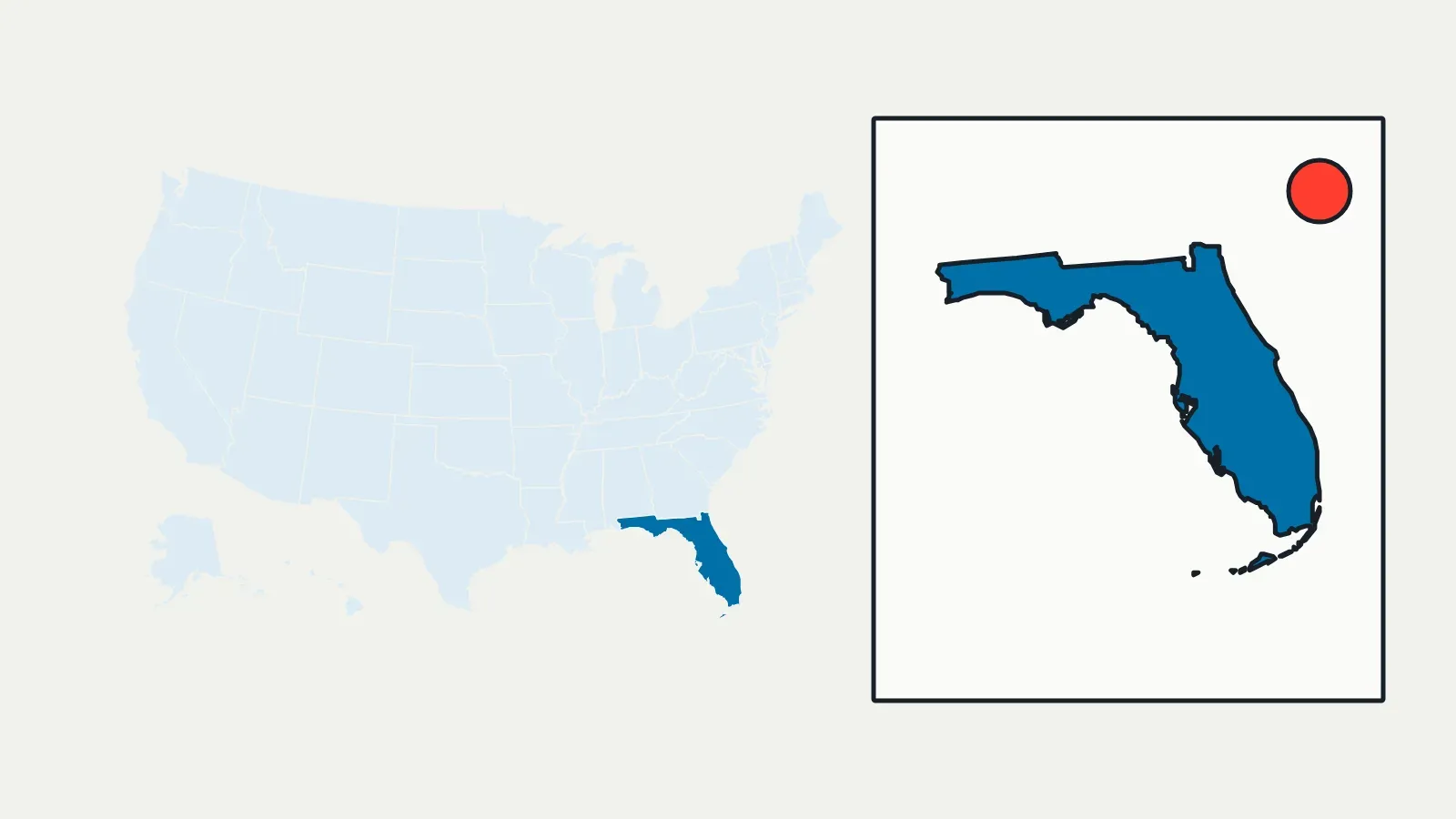
State menu
Florida
$10,000 PIP and $10,000 property damage required; UM comes with BI liability unless rejected in writing.
-
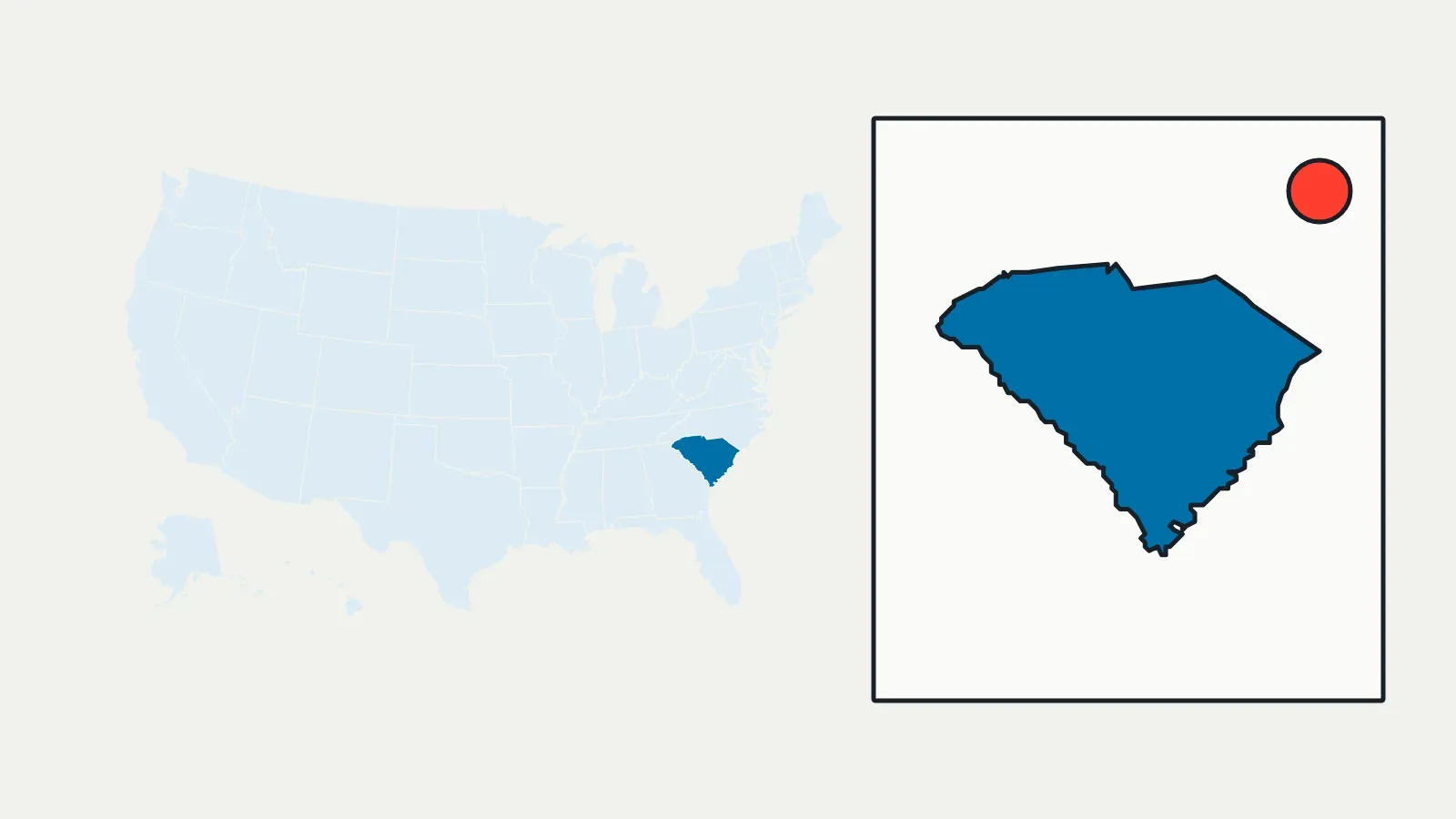
State menu
South Carolina
25/50/25 liability and matching UM required; UIM must be offered; no deductible on safety glass.